


Pests and termites can cause silent damage long before clear signs appear. Early action often makes a major difference in home protection and repair costs. A clear, step-by-step service plan helps address risks before they spread.
Detailed Property Inspection
A thorough inspection forms the base of any effective service plan. During this phase, expert Alabama pest and termite services focus on areas where pests often hide. Crawl spaces, attic sections, and exterior walls receive close review. Moisture points and wood contact zones often get extra attention in Alabama homes.
Technicians look for droppings, mud tubes, and soft wood spots during checks. Small clues may help improve early detection before colonies expand. Careful notes from this visit guide the next treatment steps. Accurate inspection aids in reducing guesswork and supports targeted care.
Identification of Pest Type
Correct pest identification shapes the treatment plan that follows. Termites, ants, roaches, and rodents each need different control methods. Climate conditions in Alabama can support several pest types year-round. Clear identification helps with precise product use and placement.
Common Clues That Help
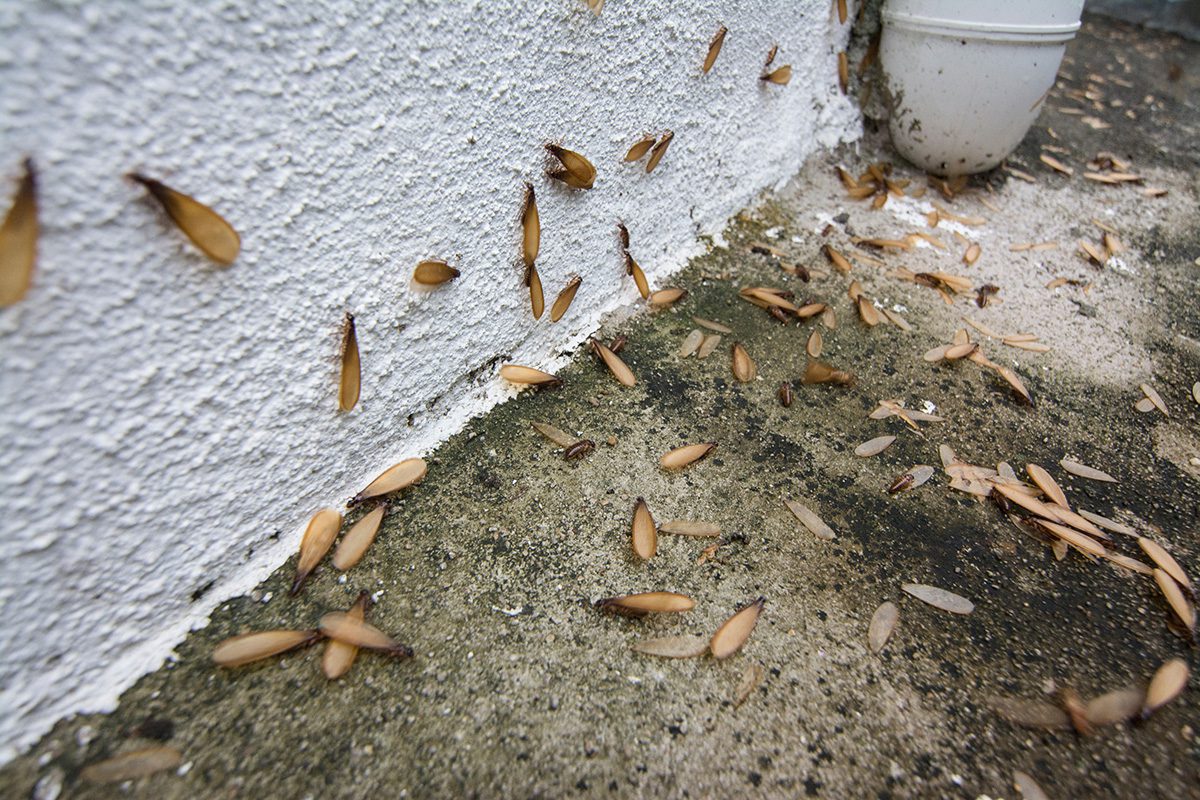
- Discarded wings near windows
- Hollow sound from wood beams
- Fine dust near baseboards
- Visible trails along walls
These signs may point toward specific pest activity in the structure. Trained review helps confirm which species caused the issue. This step may help improve the success rate of later treatment. Proper ID supports safe and efficient control.
Targeted Treatment Plan
After inspection and identification, a focused plan comes next. Treatment methods may include bait systems, barrier sprays, or localized applications. Soil treatment around the foundation can aid to block termite entry. Indoor measures may help reduce the existing pest presence.
Careful product choice considers home layout and surface type. Precise placement may help improve control while limiting unnecessary exposure. In Alabama, soil type and moisture levels influence how products perform. This step helps address active issues and discourages new activity.
Follow-Up Visits and Monitoring
Early control does not end after the first visit. Follow-up checks allow technicians to see how treatments perform. Monitoring stations around the home may help track termite movement. Regular visits in Alabama help catch changes before damage spreads.
Adjustments can be made if new signs appear. Bait levels or barrier zones may need review over time. Continued monitoring aids in keeping pest numbers low. This stage supports steady protection.
Prevention Advice for Homeowners
Service plans often include simple prevention tips for daily care. Reducing moisture near the foundation may help improve long-term control. Wood piles kept away from the structure may limit termite access. Sealing cracks in walls or foundations also helps reduce entry points in Alabama.
Yard upkeep plays a role in pest control as well. Trimmed shrubs and proper drainage may discourage nesting close to the home. Indoor sanitation helps limit food sources for insects. Small habits can aid in supporting the professional treatment plan.
- Keep gutters clear to prevent water buildup near the base
- Store firewood at a distance from exterior walls
- Repair leaks in pipes and outdoor faucets promptly
- Dispose of trash in sealed containers
- Check window and vent screens for gaps
Structured care from expert Alabama pest and termite services supports early detection and focused response. Each step, from inspection to follow-up, plays a role in limiting colony growth. Consistent monitoring and simple prevention habits may help improve long-term results. Homes across Alabama benefit from clear service plans that address risks before serious damage develops.
