


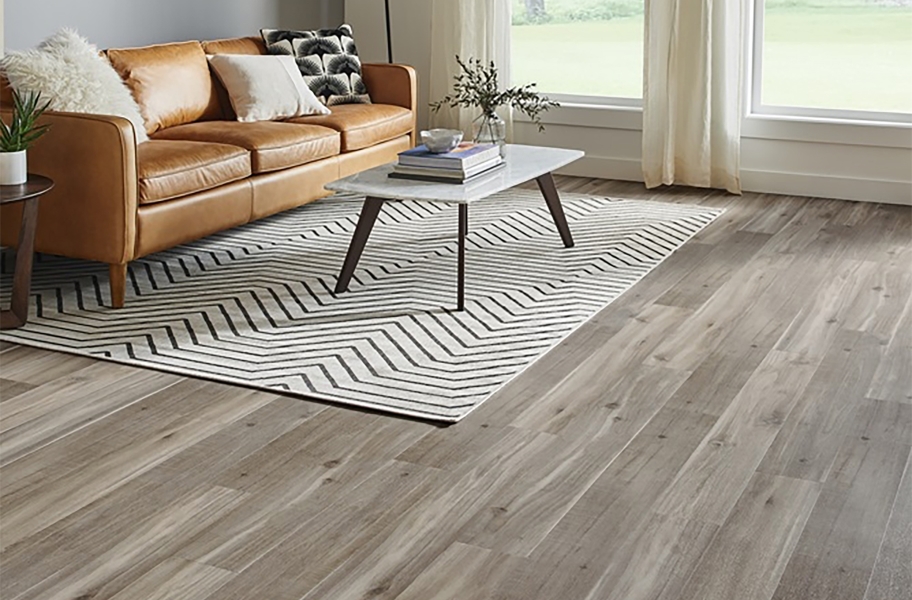
Parquet flooring, with its intricate patterns and timeless appeal, adds undeniable elegance to any interior—whether it’s a cozy home, chic office, or luxurious hotel. However, like all wooden flooring types, parquet requires proper care to preserve its beauty and extend its lifespan. The good news? With the right maintenance habits and cleaning techniques, you can keep your parquet flooring looking pristine for decades.
In this comprehensive guide, we’ll explore daily cleaning tips, long-term care strategies, and expert advice to protect your investment in style and functionality.
Understanding Parquet Flooring
Before diving into the maintenance tips, it’s essential to understand what parquet flooring is. Parquet consists of small wood blocks or strips arranged in geometric patterns like herringbone, chevron, basketweave, or brick style. It can be made from solid wood or engineered wood, and it’s usually sealed with varnish, lacquer, or oil to protect the surface.
While it’s a durable flooring choice, parquet is still susceptible to scratches, moisture damage, and fading, which makes proper maintenance crucial.
Daily & Weekly Cleaning Tips for Parquet Flooring
Routine cleaning is the foundation of parquet maintenance. Here’s how to keep it clean without damaging the wood:
Sweep or Vacuum Daily
Dust, sand, and small debris can act like sandpaper on your floor, causing micro-scratches. Use a soft-bristle broom or a vacuum cleaner with a hardwood floor attachment to gently remove dirt. Avoid vacuums with rotating brush heads that can scratch the surface.
Dry Mop Regularly
A microfiber mop can pick up fine dust particles that sweeping might miss. Dry mopping two to three times a week helps maintain a polished appearance and keeps dirt from settling in the grooves between blocks.
Damp Mop Weekly (But Cautiously!)
Moisture is the enemy of wood. Use a well-wrung damp mop with a pH-neutral hardwood floor cleaner. Avoid excessive water, and never let moisture pool on the floor.
🛑 Avoid steam mops, harsh chemical cleaners, and soap-based detergents—they can damage the finish and warp the wood.
Stain Removal & Spot Cleaning
Parquet flooring can occasionally fall victim to spills and stains. Address them quickly to avoid permanent damage.
- Water or Juice: Blot immediately with a dry, soft cloth. Then, use a damp cloth to clean the residue.
- Grease or Oil: Use a wood-safe degreaser or rubbing alcohol on a damp cloth, followed by a dry wipe.
- Ink or Wine: Gently scrub the area with a soft cloth and a small amount of vinegar-water mix (1:3 ratio), then dry.
Always test any cleaning solution on a hidden area before using it on visible parts of the floor.
Long-Term Parquet Flooring Care Tips
In addition to regular cleaning, long-term maintenance practices will significantly impact your floor’s durability and appearance.
Use Rugs & Mats in High-Traffic Areas
Place doormats at entryways and rugs in high-traffic zones like hallways and living rooms. This reduces wear and prevents grit from scratching the floor
Protect from Furniture Scratches
Apply felt pads under furniture legs and avoid dragging heavy items across the floor. For rolling chairs, use protective mats to prevent denting and scuffing.
Limit Exposure to Sunlight
Prolonged sun exposure can cause parquet floors to fade or discolor. Use blinds, curtains, or UV-filtering window films to protect the flooring from harsh rays.
Maintain Indoor Humidity
Wood expands and contracts with changes in humidity. Use a humidifier during dry months and a dehumidifier during humid seasons to keep relative humidity between 40%–60%. This helps prevent warping or gaps between parquet blocks.
Refinishing Parquet Floors: When & How
Over time, even the best-maintained parquet floors can lose their luster. When scratches, dullness, or discoloration become noticeable, refinishing may be necessary.
- Sanding: This involves sanding down the top layer to remove imperfections. Solid wood parquet can be sanded multiple times, while engineered parquet has limited sanding potential.
- Re-staining and Sealing: After sanding, the floor can be stained to restore color and sealed with varnish or oil for protection.
Refinishing should be done by professionals to avoid damage to the delicate patterns.
⏳ Frequency: Depending on foot traffic and care, parquet flooring may need refinishing every 8–15 years.
What to Avoid with Parquet Flooring
- Excessive water or standing liquid
- Abrasive scrubbers or steel wool
- Ammonia, bleach, or alkaline-based cleaners
- Wearing high heels or cleats on the floor
- Neglecting small scratches—they can worsen over time
Final Thoughts
Parquet flooring is an elegant investment that, when properly cared for, can last generations. By adopting a regular cleaning routine, using protective measures, and seeking professional refinishing when necessary, you can maintain your Vinyl Flooring parquet floor’s warmth, style, and value.
Whether your parquet flooring is installed in a modern penthouse, a traditional villa, or a chic office in Dubai, the right care ensures it remains a standout feature for years to come.
