


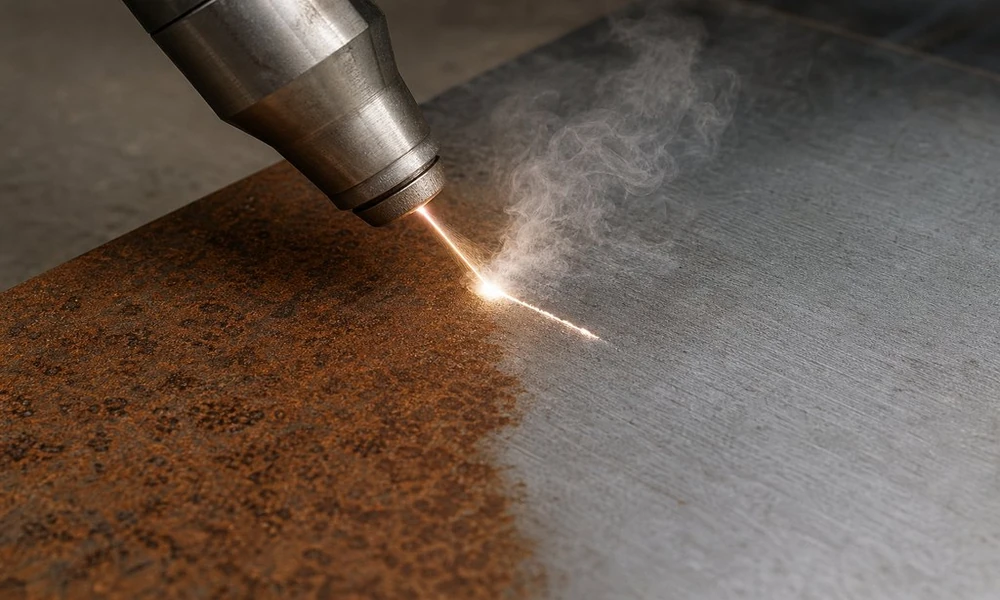
Laser rust removal uses a laser to break down and remove rust from a metal surface. Laser rust removal can be performed on almost any surface; however, different metals require different laser settings to remove rust without damaging the underlying material.
The Removal Process
Rust, also known as iron oxide, forms on ferrous metals and can appear as flaky orange material on the surface and can also burrow below the surface of the metal. Using the wrong settings when removing rust with a laser could burn or pit the underlying metal, or fail to remove the rust entirely.
- Determine the type of metal to be de-rusted. Different metals absorb laser energy differently, and some metals are more easily damaged than others. Determine the correct laser settings to remove rust from the metal.
- Mask off the surrounding area, paying special attention to any delicate surfaces or materials near the project area.
- Begin laser rust removal in an inconspicuous area, and adjust laser settings as necessary.
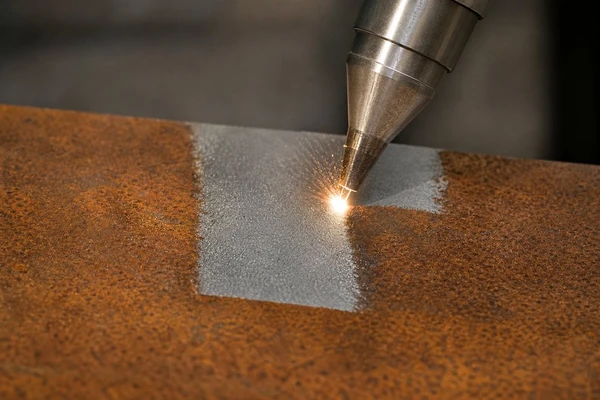
- Laser rust removal in overlapping passes until rust is removed.
- Inspect the area after rust removal for damage.
Laser rust removal is a precise, controlled way to remove rust and won’t damage the metal underneath when performed correctly. The process is non-contact, as explained on this page, reducing the risk of removing excess material or warping or scratching delicate pieces. Laser rust removal is commonly used to remove rust from:
- Tools
- Welds
- Parts and brackets
- Panels
- Machinery
Laser rust removal is commonly performed prior to welding, bonding, painting or applying a coating. Laser rust removal won’t fill pits that have already formed in metal due to rust; it will, however, remove rust from within pits.
Before You Begin
While laser rust removal is a precise way to remove rust without damaging the metal underneath, there are several important considerations to keep in mind before using a laser to remove rust.
Material and Coatings
Laser rust removal works by concentrating an intense beam of light that is selectively absorbed by rust, paint and other contaminants. The energy breaks down the contaminants so they can be removed from the metal surface. However, not all coatings and contaminants can be removed from all metals using a laser. Determine what material you’re laser rust removing from, as well as any coatings that may have been applied to the metal, prior to using a laser to remove rust. Some coatings, when removed with a laser, give off toxic fumes.
Test Run
Rainbow discoloration on thin material is an indication that the settings are too high and the metal is overheating. If paint or other coatings are scorching or smearing, determine whether or not laser rust removal is the best option for the job and make sure that appropriate ventilation is in place to handle the fumes. The rust-removal listings at handheldlaserguide.com offer equipment references that provide a useful basis for comparison.
Surface Technique
Warning Signs
- Rust that doesn’t come off: Increase the dwell time in that area, reduce the scanning speed or increase the power slightly.
- Darkening of the metal surface: Decrease the power or increase the scanning speed.
- Rainbow discoloration: Increase the scanning speed to avoid overheating the metal, especially critical on thin material.
- Smearing or scorching of coatings: Stop and determine if a different method of cleaning is appropriate and make sure you have proper ventilation to handle the fumes.
- Keep the laser moving: Avoid lingering in one area to avoid heat buildup, especially in corners, edges or thin sections.
- Be patient: Some rust may require several passes.
- Don’t assume all stains are rust: Some dark stains may be contamination that’s worked its way into the metal. Other dark areas may be staining or pitting. Determine if additional passes will be effective or will just damage the surface of the metal.
Inspection and Aftercare
Rust removal with a laser is an effective way to remove corrosion without damaging the surface of the metal underneath, but rust and corrosion weaken metal over time. Once the rust is removed, it’s important to inspect the metal surface to determine if it’s been thinned, if the holes are pitted, if the threads are stripped, or if the welds are compromised.
After laser rust removal, it’s important to determine whether or not the metal part needs to be coated, repaired or replaced. Before storing or putting a rust-free part back into service, take these steps:
- Wipe down the surface or use a vacuum to remove any residue. Avoid touching bare metal with your hands, especially if you plan on painting or welding after rust removal.
- Rust can return quickly once metal is exposed to the elements, so make sure to store parts in a dry location and apply a temporary rust inhibitor as needed.
- Even if laser rust removal was effective, it may be necessary to try another method of rust removal on pits and seams to get rid of all of the corrosion.
- If you plan on painting after laser rust removal, make sure you follow the surface preparation instructions outlined by the paint manufacturer.
- Inspect welds, edges, corners and other hard-to-reach areas to make sure all of the rust has been removed.
